Logic and Testing in SEO: Key Insights from Kyle Roof’s CMSEO 2024 Presentation
At CMSEO 2024, Kyle Roof delivered a presentation that challenged common SEO misconceptions and emphasized the importance of evidence-based decision-making. His analysis focused on identifying logical fallacies in SEO thinking and presented data from ongoing testing that suggests many core ranking f
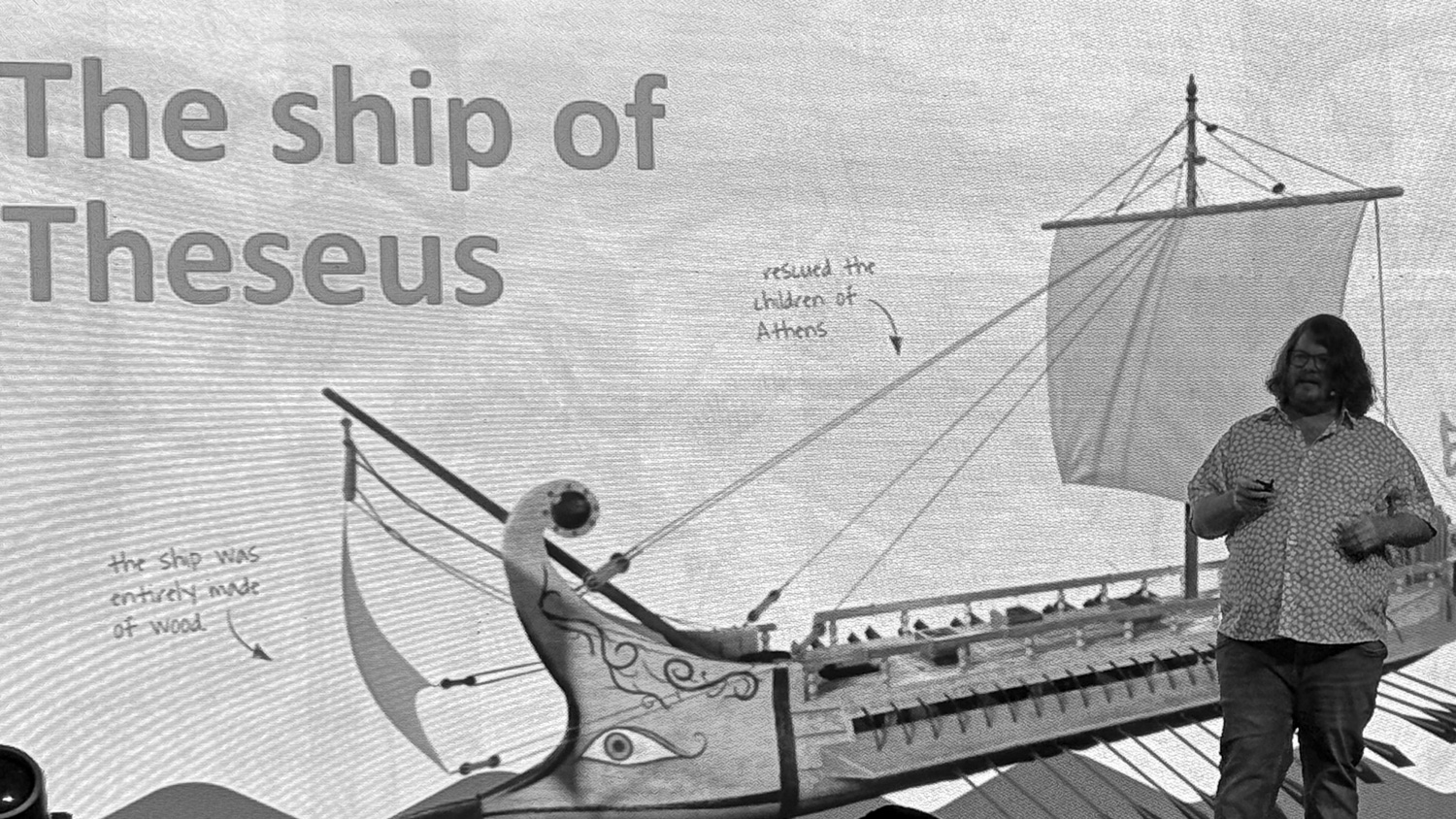
At CMSEO 2024, Kyle Roof delivered a presentation that challenged common SEO misconceptions and emphasized the importance of evidence-based decision-making. His analysis focused on identifying logical fallacies in SEO thinking and presented data from ongoing testing that suggests many core ranking factors remain stable despite recent algorithm updates.
This analysis examines the key findings from Roof’s presentation and their practical implications for SEO professionals, particularly regarding testing methodologies and strategic planning for 2025.
The Role of Logical Fallacies in SEO Decision-Making
Roof began by addressing how incomplete data in SEO often leads to decision-making clouded by logical fallacies. He identified three primary fallacies that frequently impact SEO strategy:
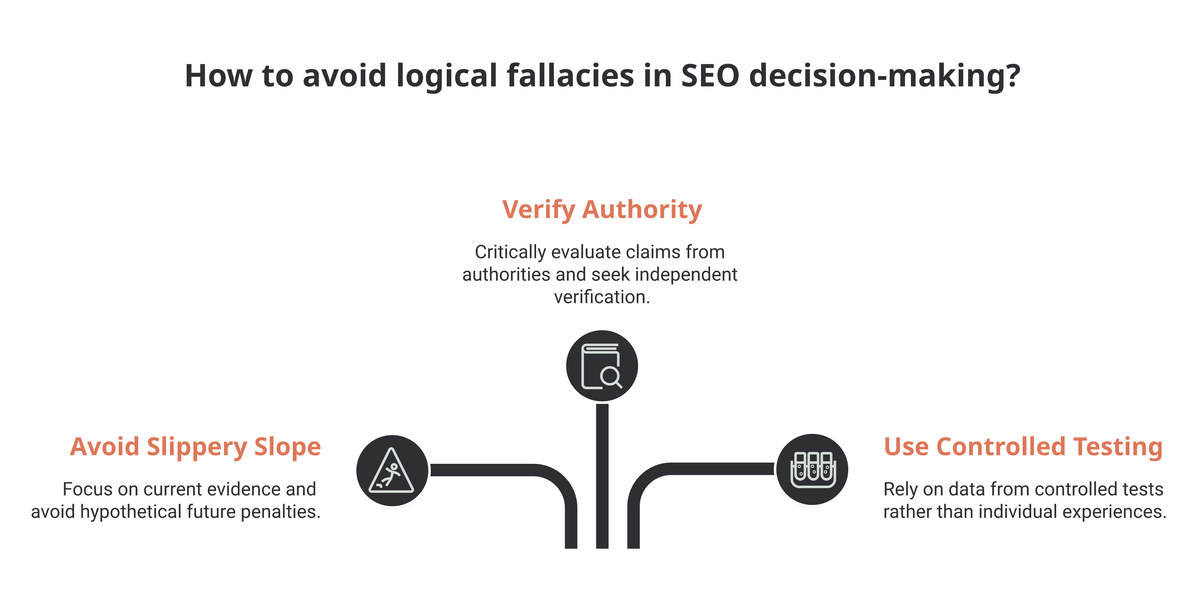
- Slippery Slope Arguments
- Practitioners often reject current practices based on hypothetical future consequences
- These arguments typically lack current evidence or proof
- Example: Avoiding certain optimization techniques based on speculative future penalties
- Appeal to Authority
- Accepting statements solely because they come from perceived authorities
- Even reliable sources should be questioned and verified
- Includes self-validating authority claims (“because I/Google said so”)
- Anecdotal Evidence
- Over-generalizing from individual experiences
- Group experiences can still constitute anecdotal evidence
- Need for broader data sets and controlled testing
Testing Results and Current SEO Environment
Roof’s presentation included specific testing data that challenges several popular narratives about recent algorithm changes:
Lorem Ipsum Testing
- Continues to achieve rankings with lorem ipsum content
- Multiple test sites maintaining top positions
- Example sites ranking #1 and #2 in local results
- Suggests core ranking factors remain largely unchanged
Schema Testing
- New tests conducted to evaluate schema impact post-AI updates
- No significant movement observed from schema implementation
- Indicates limited direct ranking impact despite AI integration
Technical Factors
- Core ranking elements show consistency with previous years
- On-page factors maintain similar influence
- Indexing patterns remain stable
- Off-page factors show consistent patterns
Affiliate Marketing Analysis
Roof presented a case study challenging the “affiliate is dead” narrative:
Case Study Details
- 400 affiliate content pages
- Previous ranking: Page 1-2 positions
- Initial drop: Below top 100
- Migration to new domain
- Recovery time: 2 months
- Results: Return to original ranking positions
- Traffic: 30,000 queries, 1,500 clicks
Key Findings
- Content wasn’t the primary issue
- Domain-level factors showed more significance
- Affiliate links maintained functionality
- Suggests manual rather than algorithmic action
- Points to doorway page classification as potential factor
Strategic Opportunities in Market Misconceptions
Roof identified several strategic opportunities arising from market misconceptions:
- Competitive Advantages
- Reduced competition in abandoned strategies
- Opportunity to double down on proven methods
- Market gaps created by misconception-driven exits
- Technical Development
- New AI-driven on-page opportunity scoring
- Integration of traditional signals with AI tools
- Continued effectiveness of established optimization methods
Future Market Predictions
2025 Market Outlook
- Projected 4 million new U.S. businesses
- Increased demand for small-scale agency services
- Target client budget range: $500-1,000
- Shorter onboarding cycles (1-2 days vs 4-6 months)
Strategic Positioning
- Opportunity for white-label services
- Partnership potential within SEO community
- Cash flow generation for affiliate projects
- Market timing advantage for early movers
My Take: What This Means for Solo Publishers
Roof’s CMSEO 2024 data lands differently when you’re running affiliate sites on your own rather than managing a team. Here’s what actually matters if you’re in that position.
The logical fallacy framework is the most underrated part of this talk. If you’ve been quietly killing optimization tactics because someone on Twitter said “Google’s getting smarter about that,” you’ve been making slippery slope decisions with zero evidence. Roof’s lorem ipsum tests still ranking on page one in 2024 — a finding he’s since reaffirmed at CMSEO 2025 — is the clearest sign that on-page fundamentals aren’t going anywhere. The signal has been consistent for years. If you want to know whether something actually works, run a controlled test. Don’t rely on conference chatter.
The affiliate case study cuts right to what’s been causing mass panic. 400 affiliate pages dropped, migrated to a new domain, recovered in 2 months. Roof’s read: the content wasn’t the problem — it was a domain-level signal, likely a doorway page classification. For solo publishers this is actually good news. Your content quality isn’t why you got hit if you’re producing legitimate reviews. What’s punishable is the pattern your domain signals, not the individual page. That’s also why understanding how Google’s ranking mechanisms actually work — not just the talking points — gives you a structural advantage over publishers reacting to rumors.
The opportunity angle is real. When competitors exit niches based on the “affiliate is dead” narrative, that’s anecdotal evidence driving strategic decisions — Roof’s own fallacy taxonomy. Those gaps fill back up with traffic. A recovery case study using unconventional 302 redirects showed the same pattern: bold moves work when everyone else is running scared. Meanwhile Roof has been consistent since his 2023 analysis that core ranking factors don’t shift as dramatically as the narrative suggests. The 2024 data confirms it.
Practical bottom line: audit your last six months of strategic decisions for logical fallacies before you make any new ones. Flag every choice you made because an authority figure said so, then check whether you actually verified it. That’s Roof’s real framework, and it’s more durable than any specific tactic he tested.
Action Items
- Document and Test Current Rankings
- Establish baseline metrics for current properties
- Document ranking positions across key terms
- Set up tracking for longitudinal analysis
- Evaluate Current Strategy Against Testing Data
- Review optimization approaches
- Compare against Roof’s test results
- Identify areas of alignment/divergence
- Identify Logical Fallacies in Current Approach
- Review recent strategic decisions
- Document supporting evidence
- Flag decisions based on unproven assumptions
- Develop Small-Scale Agency Framework
- Create service packages for $500-1,000 range
- Document streamlined onboarding process
- Identify white-label partnership opportunities
- Establish Testing Protocol
- Define test parameters
- Set up control groups
- Document methodology for replication
- Create Evidence Requirements
- Establish minimum evidence standards for strategic decisions
- Define testing thresholds for new techniques
- Document verification processes
Summary
Kyle Roof’s presentation emphasizes the continued effectiveness of tested SEO methodologies while highlighting the importance of evidence-based decision-making. The data suggests that while the SEO landscape continues to evolve, core ranking factors remain relatively stable. This creates opportunities for practitioners who can identify and capitalize on market misconceptions while maintaining rigorous testing and verification processes.
The projected growth in new businesses for 2025 presents a significant opportunity for SEO practitioners to develop scalable service models for small-budget clients. Success in this environment will require efficient operations, evidence-based methodologies, and strategic partnerships within the SEO community.