YouTube Strategy Analysis: Stan Leloup’s Framework for Content Success
In a recent presentation at the Chiang Mai SEO conference, marketing expert Stan Leloup shared insights from building a successful YouTube channel that generates millions in revenue. With his French marketing channel averaging 20,000 views per video and totaling 29 million views, Leloup’s framework
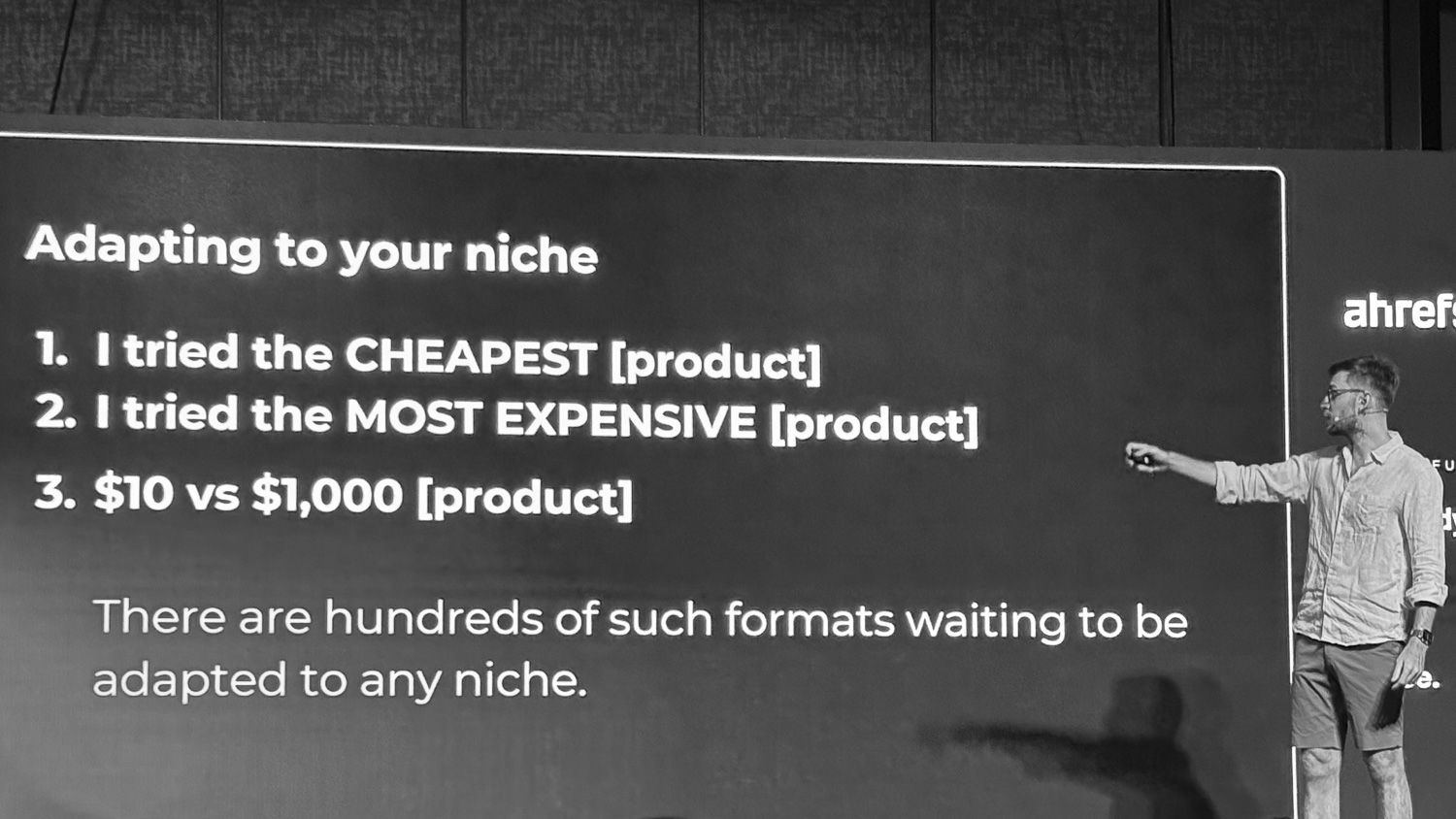
In a recent presentation at the Chiang Mai SEO conference, marketing expert Stan Leloup shared insights from building a successful YouTube channel that generates millions in revenue. With his French marketing channel averaging 20,000 views per video and totaling 29 million views, Leloup’s framework offers practical approaches for both viral content and SEO-optimized videos.
This analysis examines Leloup’s key strategies and provides actionable steps for content creators looking to develop their YouTube presence in 2024.
YouTube Algorithm Fundamentals
Leloup emphasizes that YouTube success depends primarily on two metrics:
- Click-through rate (CTR): The percentage of users who click on your video when shown
- Watch time: How long viewers stay watching the content
Unlike traditional SEO, YouTube’s algorithm focuses less on technical optimization and more on user engagement signals. The platform can now transcribe and understand video content directly, making older optimization techniques like keyword-stuffed descriptions and tags less important.
Two Primary Strategy Paths
Leloup outlines two distinct approaches to YouTube success:
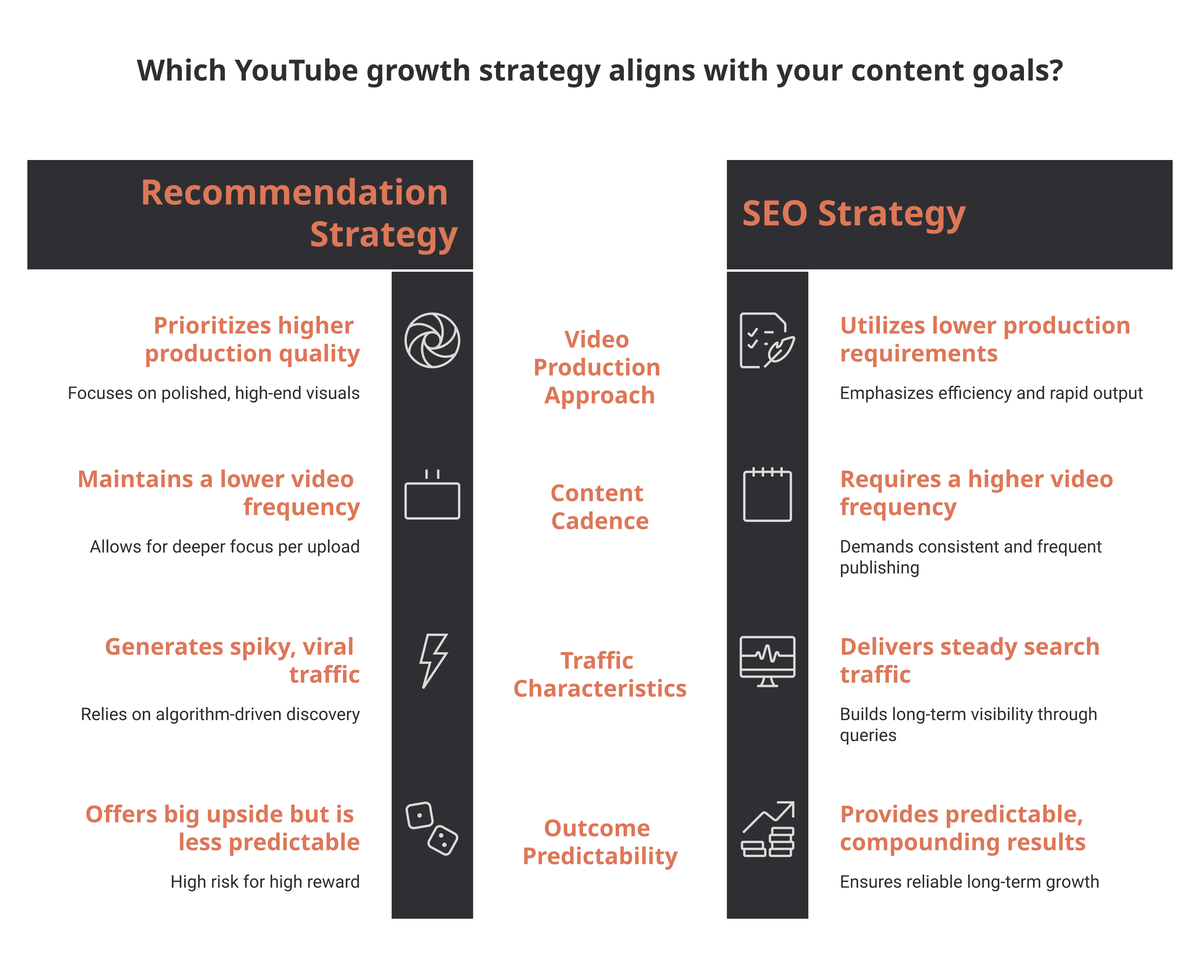
Recommendation Strategy
- Focus: Creating highly clickable content that performs well in YouTube’s recommendation system
- Characteristics:
- Lower video frequency
- Higher production quality
- Spiky traffic patterns
- Potential for viral growth
- Example: One creator achieved 1.6 million views on their first upload by understanding viewer psychology
SEO Strategy
- Focus: Optimizing for specific search terms
- Characteristics:
- Higher video frequency
- Lower production requirements
- Steady, consistent traffic
- More predictable results
- Case Study: A channel with 265,000 subscribers maintains 20,000-30,000 monthly views through search traffic despite lower view counts on new uploads
Thumbnail and Title Optimization
Leloup identifies three critical elements for effective thumbnails:
- Curiosity Gap
- Create questions in viewers’ minds
- Make the content’s value proposition unclear but intriguing
- Example: A thumbnail showing unexpected outcomes or situations
- Emotional Triggers
- Utilize basic emotions: surprise, curiosity, excitement
- Avoid overwhelming complexity
- Focus on clear emotional signals
- Visual Clarity
- Limit elements to 2-3 main components
- Use high contrast for mobile visibility
- Implement clear focal points
Technical Tip: Use tools like Preyview to test thumbnails in actual YouTube interface conditions
Content Retention Framework
To maintain viewer engagement, Leloup recommends:
- First 30 Seconds
- Deliver initial value immediately
- Begin paying off the thumbnail/title promise
- Introduce a compelling hook
- Three-Minute Loop Structure
- Create new open loops every three minutes
- Close previous loops while opening new ones
- Maintain continuous viewer interest
- Pacing Considerations
- Keep information density high
- Avoid extended introductions
- Use retention graphs to identify and fix weak points
Implementation Strategy
For Recommendation Strategy
- Topic Selection
- Focus on clickable, emotionally engaging topics
- Consider broader audience appeal
- Look for unique angles on popular subjects
- Production Quality
- Invest in professional-grade production
- Maintain consistent visual style
- Optimize for mobile viewing
For SEO Strategy
- Keyword Research
- Target specific, valuable search terms
- Focus on sustainable traffic potential
- Build content clusters around main topics
- Content Planning
- Create regular, consistent content
- Maintain reasonable production quality
- Focus on information clarity
My Take: What This Means for Solo Publishers
Leloup’s framework is solid, but most solo publishers are asking the wrong question. The real choice isn’t “viral or SEO” — it’s “do I have a team or not?” Recommendation strategy works when you can produce high-quality videos on a consistent schedule without burning out. For most solo affiliate publishers, that’s not the reality.
The SEO path is where the actual money is for affiliate use cases. YouTube search traffic converts significantly better than browse or recommendation-driven traffic for affiliate products. A free YouTube keyword tool surfaces the exact phrases those searchers type, so you can build titles around real demand instead of guessing. A viewer who searched “best mirrorless camera under $1000” is already in buying mode — they came to you, you didn’t interrupt them. Recommendation traffic is passive; search traffic has buyer intent baked in. Compounding returns matter too: optimized videos continue ranking for months or years, exactly like a well-built blog post. That’s the game affiliate publishers should be playing.
What actually matters from Leloup’s framework for solo publishers:
- Pick one strategy and commit. The hybrid “do both” advice sounds reasonable but spreads production capacity thin. For solo publishers building a traffic diversification playbook, the YouTube SEO path is the one that compounds without requiring viral luck.
- CTR and watch time trump everything else. Before worrying about tags, descriptions, or posting frequency, nail these two numbers. A thumbnail that converts at 5% CTR will outrun a technically optimized video converting at 2% every single time.
- The curiosity gap applies beyond YouTube. Leloup’s thumbnail psychology translates directly to blog titles and meta descriptions. Test headline structures from top-performing YouTube videos in your niche on your own title tags — the same cognitive triggers work.
- Ignore the production quality arms race. For the SEO path, reasonable quality beats cinematic perfection every time. Viewers searching for specific answers care about content density, not B-roll.
YouTube isn’t a replacement for search traffic — it’s a parallel track that reinforces it. Pair a YouTube SEO strategy with a solid site presence and you’re building something that isn’t one algorithm update away from zero. For context on how video fits into AI-era search more broadly, Cindy Krum’s breakdown of AI and video is worth reading alongside this framework. If the goal is approaching YouTube like a data-driven content operation, the measurement principles carry over directly. And if you’re building the channel as part of a larger asset play, the approach in building and selling digital assets applies — a YouTube channel with compounding search traffic is a real asset.
Action Items
- Analyze Top Performers (Week 1)
- Study 10 successful channels in your niche
- Document their thumbnail and title patterns
- Note content structure and pacing
- Develop Content Framework (Week 2)
- Choose between recommendation or SEO strategy
- Create content templates
- Build thumbnail design guidelines
- Implement Testing Protocol (Week 3)
- Set up tracking for CTR and retention
- Create A/B testing schedule
- Document performance metrics
- Optimize Production Process (Month 1)
- Streamline video creation workflow
- Develop standard operating procedures
- Create quality control checklist
- Build Content Calendar (Month 1)
- Plan 3 months of content
- Include both strategy types if applicable
- Set realistic production schedules
- Review and Adjust (Month 3)
- Analyze performance metrics
- Adjust strategy based on data
- Update production processes
Limitations and Considerations
- Algorithm Changes: YouTube’s algorithm updates may affect strategy effectiveness
- Market Saturation: Popular niches require higher production quality
- Resource Requirements: Recommendation strategy needs more production investment
- Timeline Variations: Results speed varies by niche and strategy choice
Summary
Leloup’s framework provides a structured approach to YouTube success, emphasizing the importance of understanding viewer psychology over technical optimization. The choice between recommendation and SEO strategies should align with resources, goals, and content type. Success requires consistent analysis, adaptation, and focus on viewer engagement metrics.
The most effective approach often combines both strategies, using SEO-optimized content for consistent traffic while pursuing viral potential through the recommendation strategy. Regular analysis of performance metrics and viewer behavior remains crucial for long-term success.
Sources: Stan Leloup’s presentation at Chiang Mai SEO Conference (CMSEO 2024). Related reading on RankingHacks: Traffic Diversification Playbook, Cindy Krum on AI and Video, Data-Driven SEO Content Strategy.